Skip to content
© 2022—2026 The Sunrise Project Incorporated

Electric vehicles require steel, aluminium, and battery materials that are energy-intensive to produce. Electrifying transport without cleaning up supply chains risks shifting emissions rather than cutting them.

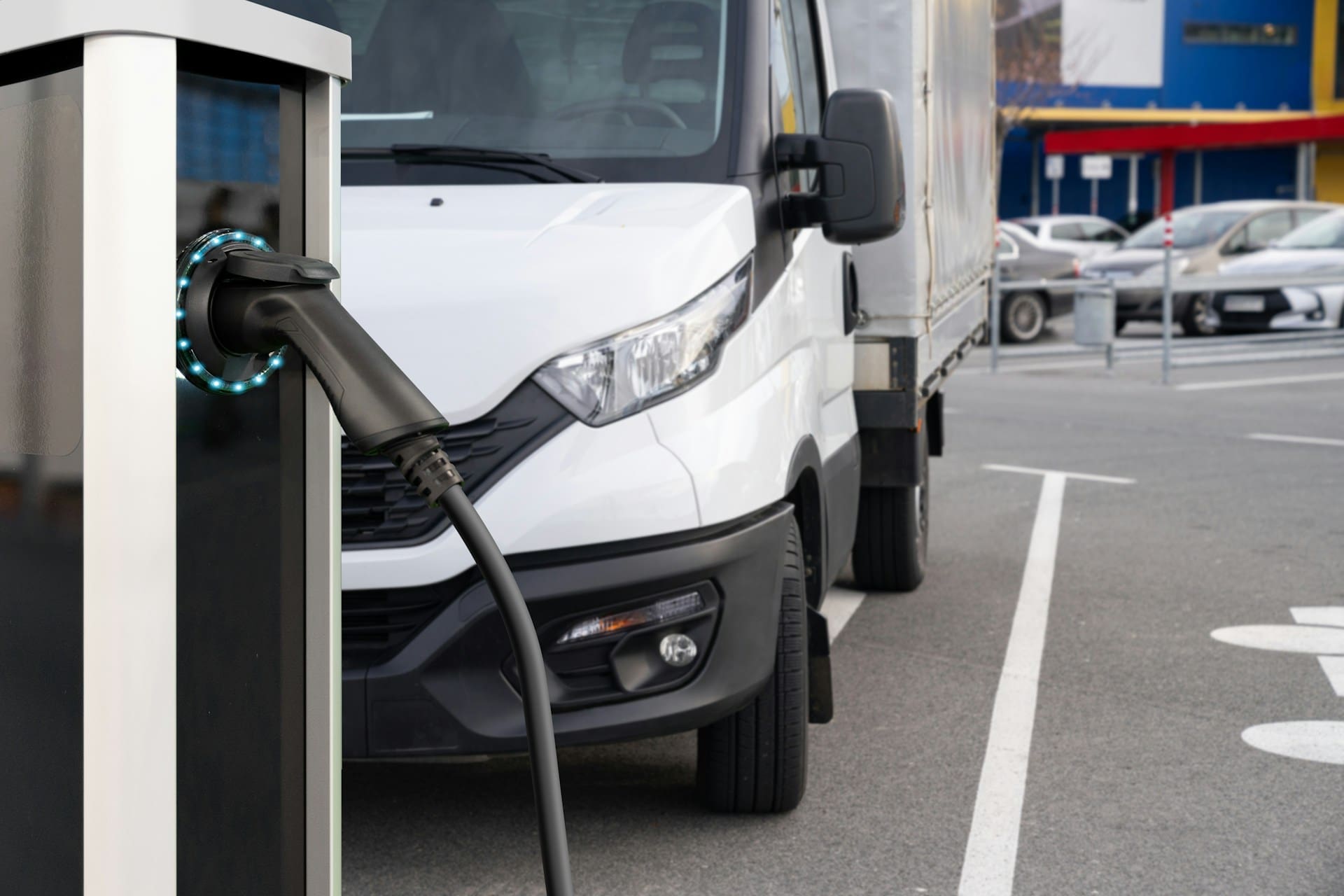
Freight and heavy-duty trucking lag far behind passenger vehicles, accounting for a disproportionate share of transport emissions. Accelerating the shift to zero-emissions trucks is essential to meeting climate goals.

Automakers and truck manufacturers are central to both challenges. As major purchasers of steel, aluminium, and batteries, their commitments to clean materials can drive transformation across supply chains. Their investments in zero-emissions vehicles shape how fast the market moves.

We work to create the market conditions that make clean production and zero-emissions vehicles the competitive standard – connecting manufacturers, investors, and policymakers around credible transition pathways.

Goal

Accelerate the transition to green steel, aluminium, sustainable battery supply chains, and the electrification of heavy trucking globally.

The Opportunity

Strategic customer influence

Major vehicle manufacturers are significant purchasers of industrial materials. Their commitments can provide the market certainty that enables heavy material producers to invest in transformation.

Industry competition creating momentum

As vehicle electrification accelerates, truck and car manufacturers face growing competition and stakeholder scrutiny. Those seeking competitive advantage are exploring supply chain differentiation and electrification commitments, creating openings to raise industry standards.

Policy and regulatory enhancements

Multiple jurisdictions are advancing supply chain regulations, vehicle emissions requirements, and carbon border mechanisms that create frameworks for cleaner production and accelerated electrification.

Critical window for transformation

Heavy industry faces a critical decade ahead. Decisions made now about production methods and vehicle technology will determine long-term emissions trajectories.

How we pursue this goal

01

Aligning finance and industry

We work to connect investors, manufacturers, and policymakers around credible transition plans – ensuring capital flows toward zero-emission fleets, clean materials, and resilient supply chains.

02

Shaping markets through policy and standards

We contribute data and analysis to strengthen vehicle regulations, industrial standards, and public procurement policies that make clean options the default choice.

03

Mobilising corporate and financial leadership

We support networks of civil society and industry actors to support major manufacturers, buyers, and financiers to commit to measurable climate progress.

04

Building shared understanding and capability

We share research and insights that help governments, investors, and communities plan for the heavy industrial and freight transitions, building confidence and capacity for lasting change.

Where we work

We focus on the regions where cleaner transport and manufacturing can create ripple effects across global supply chains and markets that connect economies worldwide.

Europe

Drives global standards through vehicle regulation, industrial policy, and clean materials trade rules, and is home to major truck manufacturers.

Asia

The world’s industrial engine, producing most of the materials and vehicles that underpin the global economy. Progress here determines the speed of worldwide decarbonisation.

North America

Major market for trucks and industrial buyers whose investment choices shape global markets.

Latin America

Critical to the transition in both transport and industry as a major trucking market and steel producer, and a region where clean manufacturing and logistics can displace fossil fuel dependence and strengthen regional supply chains.